- Legrand
- About Us
- White Papers
- Products
- Menu Products
-
- Case Studies
- News
- Training
- Export
- Policies
- Vacancies
A comprehensive range of personal well being and environmental sensors designed to meet the needs of an individual
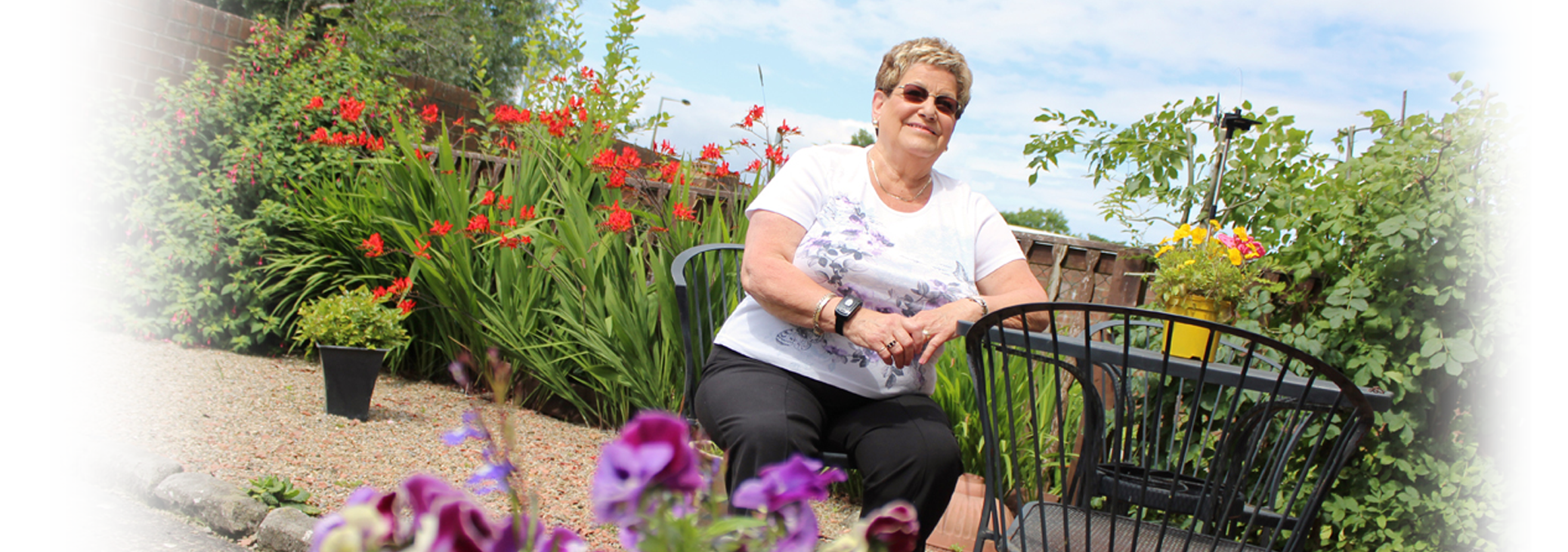
Our range of Digital Telecare devices are designed to be integrated into an Assisted Living scenario, and have the ability to work seamlessly with almost any At-Home Alarm Unit to support the needs of an individual.
Telecare peripherals connect wirelessly to an At-Home Alarm to allow the user the make an emergency call for help, or make the call for them when recognising their need for assistance.
As technologies evolve, Tynetec is constantly developing new Telecare solutions including Wearable Devices, Smoke/Heat & Electricity Detectors, Flood/Gas & Temperature Detectors, Bed & Chair Sensors, Personal Wellbeing, Property Exit and Medication.
Up to 32 of these devices can be connected to our Digital At-Home Alarm Units at any one time to provide a tailored package that can fully support the needs of each individual user.
A modern looking Personal Pendant that doesn't have a big red button!
 Read More
Designed to be worn on the wrist with the capability of automatically detecting a fall.
Read More
The dynamic wrist worn fall detector offers true reassurance for those who are vulnerable or at risk of falling.
Read More
An optical smoke alarm with a 10 year detector life.
Read More
A heat sensor alarm with a 10 year detector life.
Read More
Located on the floor below a bath, wash basin, kitchen sink or anywhere a tap could be left running
Read More
A unit that can detect dangerous levels of carbon monoxide in a person's home.
Read More
Used to integrate bed sensors, chair sensors or pressure mats into a telecare system solution.
Read More
Designed to detect whether a person is in or out of bed.
Read More
Used to detect when a person leaves their chair.
Read More
Positioned under a carpet or rug, to monitor activations during set periods.
Read More
Designed to detect activities of daily living.
Read More
Designed for use in bedrooms and bathrooms where a pendant is not being used.
Read More
A highly sensitive epilepsy monitor that can be placed under the mattress to analyse the frequency of movement.
Read More
Designed to be placed on a table for those who find it hard to press their pendant.
Read More
Designed to notify someone that a resident feels threatened by a visitor to the property.
Read More
Designed to detect when someone wets the bed.
Read More
Used to monitor any controlled doors.
Read More
Supporting people who require regular medication.
Read More
Overview
A modern looking Personal Pendant that doesn't have a big red button, which eliminates the stigma associated with traditional call buttons.
The Personal Pendant is worn by the user - around the neck, on the wrist or on a belt - to allow an emergency alarm call to be made from anywhere in or around the home. In residential housing, calls can be made from anywhere on the scheme.
An alarm call is made by simply pressing the button once to activate a flashing LED light that reassures the user the call has been made.

Overview
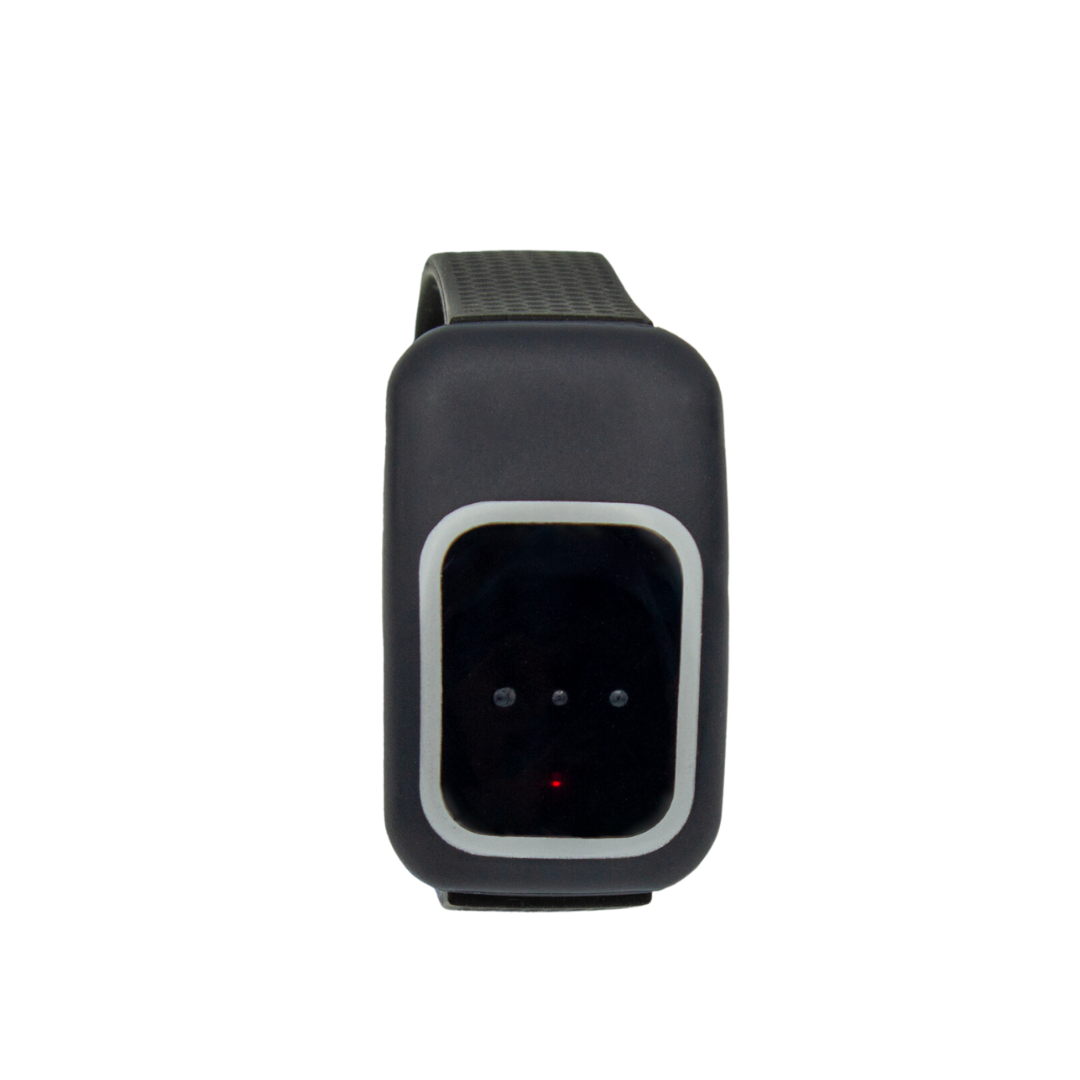
The wrist worn fall detector provides reassurance when it’s needed the most. It can be used as a wrist worn pendant in addition to it’s fall detection capabilities.
Using intelligent algorithms, the device constantly monitors the activities of the individual and automatically raises an alert should it believe that a fall has taken place.
The fall detector has been designed for user comfort with contoured ergonomics and elegant aesthetics.

Overview
It can be used as a wrist worn pendant as well as an automatic fall detector.
An intelligent algorithm monitors a user's day to day activity and automatically adjusts the sensitivity of the device to optimise the ability of detecting of a fall.
An enhanced filter is also deployed to minimise the risk of false alarms caused by general day to day activities such as washing up or cleaning teeth.
If the device detects a fall alarm, it will automatically be sent to the local receiver unit.
The fall detector has been designed for user comfort with contoured ergonomics and elegant aesthetics.
Overview
The smoke detector should be located within a hall, landing or bedroom.
When activated, a local alarm will sound and an alarm call will be transmitted to the local alarm unit which in turn will dial an alarm receiving centre. The alarm receiving centre can speak with the resident and assess the risk before escalating a call to the Emergency Services.

Overview
Heat Detectors should be ceiling mounted in kitchens or areas with high levels of fumes or dust. They are not suitable for bathrooms or areas of high humidity. When activated, a local alarm will sound and an alarm call will be transmitted to the local alarm unit which in turn will dial an alarm receiving centre. The alarm receiving centre can speak with the resident and assess the risk before escalating a call to the Emergency Services.

Overview
Flooding caused by taps left running unattended, a blocked toilet or a leaking pipe can mean costly repair bills and create potentially dangerous conditions that could result in a slip or fall or damp related health conditions.
Once installed in the bathroom or kitchen, the flood detector provides an early warning of a possible flood situation before it causes extensive damage to carpets, decor or electrical equipment.

Overview
Carbon Monoxide Detectors should be placed in rooms that contain fuel burning appliances.
If a dangerous level of Carbon Monoxide is detected an alarm will sound and an alarm call will be transmitted to the local alarm receiving centre via the alarm unit.

Overview
The Sensor Controller has been designed to monitor movement activity within the home. For example if you get into bed or sit in a chair, then get up again and do not return within the preset time an alarm call will be transmitted to the local manager or monitoring centre. Compatible for use with a bed sensor, chair sensor, pressure mat or door contact.

Overview
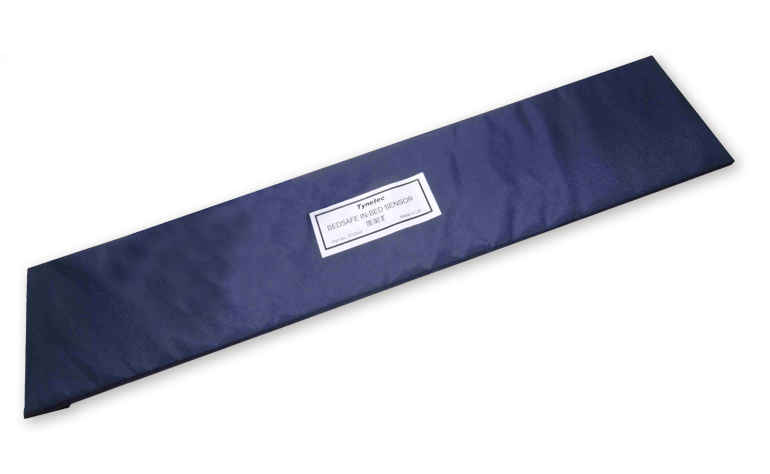
A Bed Mat used in conjunction with a sensor controller logs movement activity. For example if you get into bed, then get out again and do not return within the preset time an alarm call will be transmitted to the local manager or monitoring centre.
Overview
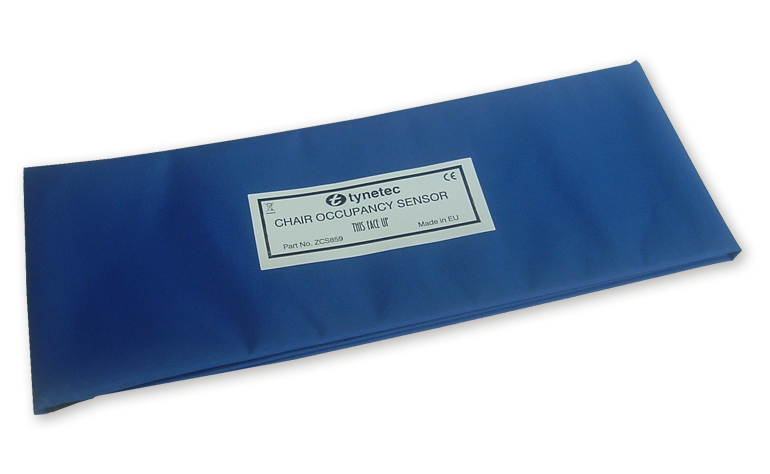
A Chair Mat used in conjunction with a sensor controller logs movement activity by monitoring the time between you sitting in a chair then getting out of the chair. If you do not return within a preset time an alarm call will be transmitted to the local manager or monitoring centre.
Overview
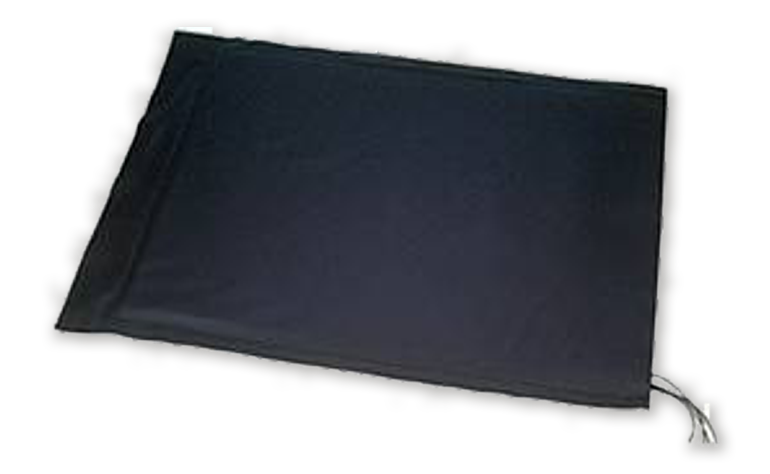
A Pressure Mat located under a carpet or rug and used in conjunction with a sensor controller will monitor movement activity and log all mat activations.
Overview
PIR Movement Detector (PIR’s) can be used for activity monitoring or intruder detection and should be located at a high level in a hallway or living room. PIR’s can be set to Activity Mode: so if no movement is detected within a preset period an “inactivity” alarm call will be transmitted to the monitoring centre and in Intruder Mode: if movement is detected an “intruder” alarm call will be transmitted and sent to the local manager or monitoring centre.

Overview
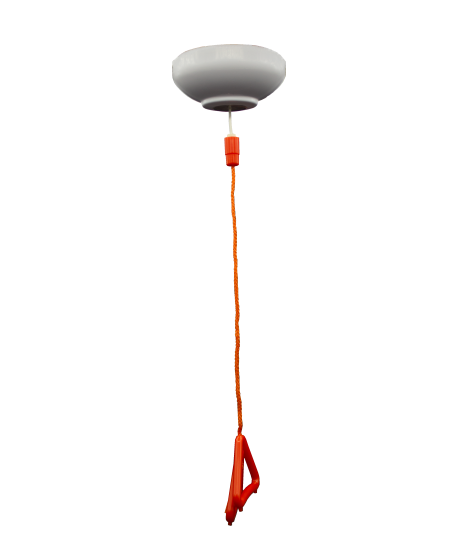
Pullcords should be strategically placed around the home to provide an easy means for the user to activate an emergency alarm call. They will normally be fitted in rooms where personal pendants may not be worn, e.g. in the bathroom or alongside the bed. Pullcords should be ceiling mounted - they are not suitable for wall mounting.
Being wireless, they can be used to speed-up the installation in a home where it would otherwise be difficult or time time consuming to hard-wire a standard pull cord.
Emergency Alarm Calls can be made by simply pulling the cord once - no further action is required.
Overview
A highly sensitive epilepsy sensor that can be placed under the mattress, to analyse the frequency of movement and activate an alarm when appropriate. A microphone is also used to detect sharp gasps, clicks or groans (but is insensitive to background noise such as talking, TV’s, radios or vacuum cleaners).

Overview
The big button is a wireless free-standing device which can be placed on any flat surface within close reach of the user. It’s easy-to-press large surface are a means it is especially suited for persons with mobility or dexterity difficulties to activate an emergency alarm call.
The big button is not suitable for wall mounting or use in damp/humid conditions

Overview
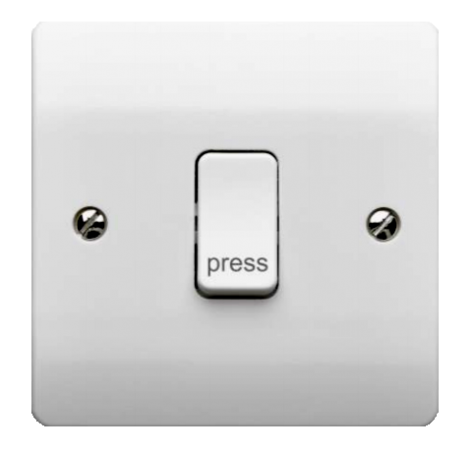
The bogus caller alarm button should be wall mounted in the hallway alongside the front door or anywhere it can be pressed discreetly if the resident feels threatened or uneasy with a visitor.
Overview
The Enuresis Sensor comprises of the following customised options:
Foil Bed Mat with Interface Unit
Cotton Sheet with Interface Unit
If moisture is detected in the bed an alarm call will be transmitted to the local manager or monitoring centre.

Overview
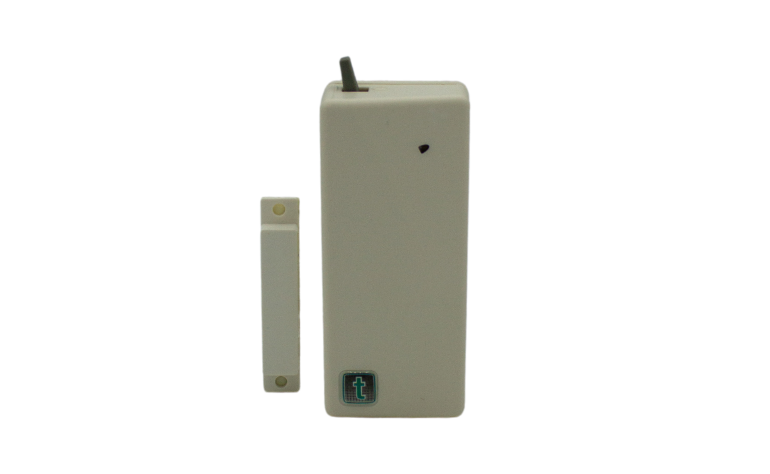
Designed to monitor entry and exit activity in both individual homes and grouped living environments.
When a monitored door is opened, it transmits an alarm and the LED will illuminate red for 4 seconds. When the alarm is acknowledged by the Telecare system the LED will illuminate green for 2 seconds. A new alarm will not be triggered until the door has been closed and opened again.
Overview
The Advance pill dispenser will sound an alarm when it is time for the user to take their medication. It’s a self locking unit that will only release the correct dosage at a preset time. It holds up to 28 tablets for 28 days, If medication is not taken within a preset time an alarm call will then be transmitted to the local manager or monitoring centre and logged.